

Why We Sometimes Recommend Screen Printing Over DTF
DTF printing has changed the way custom apparel is produced. It makes small orders easier, works well with detailed artwork, and can reproduce designs with lots of colors without the need for traditional screen setup. But does that mean DTF is always the best choice? Not necessarily. There are many projects where we actually recommend manual screen printing with plastisol ink instead.
That might sound surprising, especially when DTF is often promoted as the faster and more flexible option. However, when we help customers choose a printing method, we don't simply recommend the technology that's easiest to use. We look at the artwork, quantity, garment, desired look, and overall requirements of the project. Sometimes, screen printing simply makes more sense.
If a design uses one, two, or a few solid colors, manual screen printing can be a great option. Bold logos, typography, simple illustrations, and graphic heavy designs are all good examples.
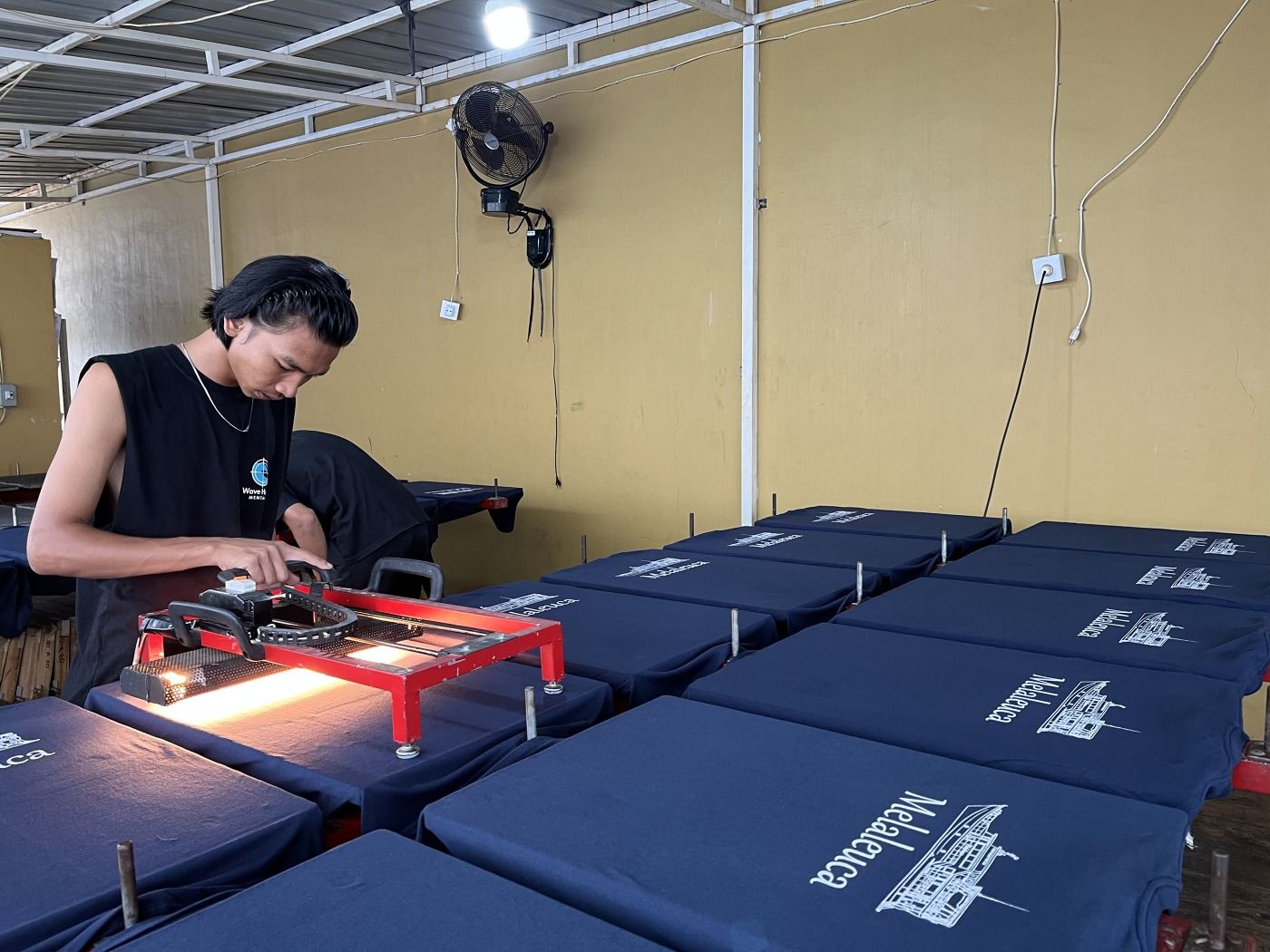
With plastisol screen printing, each color is printed separately through its own screen. This gives the print a strong, solid appearance, which works particularly well for bold designs. For example, a black T-shirt with a large white graphic on the back. If the artwork is simple and the order quantity is reasonably high, there may be little reason to choose DTF for that order. Screen printing can deliver exactly the kind of result the design calls for.
When You Want a Classic Screen Printed Look
Sometimes, the printing method is part of the aesthetic. If you're creating streetwear, band merchandise, event apparel, or a vintage-inspired collection, you may specifically want the look and feel associated with traditional screen printing.
Plastisol ink produces a different surface and visual character compared with a heat applied DTF print. Depending on the ink, application, and number of layers, screen printing can create the bold, opaque graphic look that many people associate with professionally printed T-shirts. So the question isn't always which method can reproduce the artwork, but which method can give the artwork the right character. That's an important distinction when choosing a printing method.
When You're Ordering Larger Quantities
Quantity is another major factor to consider. Screen printing requires preparation before production starts. Screens need to be prepared, colors need to be registered, and the press needs to be set up, all of which take time.
For a very small order, DTF can often be more practical because there is little or no screen setup involved. As the quantity increases, however, the initial setup becomes less significant on a per-piece basis. For example, a 20-piece order and a 300-piece order shouldn't necessarily be approached in exactly the same way.
If you're producing hundreds of identical shirts with a relatively simple design, manual screen printing may be the more logical production method. It's not simply about choosing the cheaper option, but it's about choosing a production method that fits the scale of the order.
When Color and Opacity Matter
Certain designs need strong, consistent colors, especially when printing light artwork onto dark garments. With screen printing, plastisol ink can provide strong opacity and vibrant, solid colors when the artwork and print process are properly prepared.
This can be particularly useful for brand logos, merchandise, and designs where specific colors are an important part of the visual identity. The final result, however, depends on more than just the ink. Garment color, ink formulation, screen preparation, print layers, and curing can all have an effect.
That's why good printing isn't simply about putting ink on a shirt. There are several production decisions involved in achieving the desired final result.
When Print Feel Matters
A T-shirt isn't just something people look at. They wear it, touch it, wash it, and live in it, so the feel of the print can be an important part of the overall experience. Screen printing and DTF have different print characteristics. A plastisol screen print can have a strong, traditional print feel, while a DTF transfer has the characteristics of a heat applied film. Neither is automatically better, as the right choice depends on the artwork, print size, garment, and the kind of result you're trying to achieve. If the goal is a bold graphic with a classic screen printed character, we'd often lean toward plastisol screen printing.
But We Don't Recommend Screen Printing for Everything
Having manual screen printing available doesn't mean we recommend it for every order. There are plenty of situations where DTF is the better option, such as when the order quantity is small, the artwork contains many colors, the design has gradients or photographic details, or multiple different designs are needed in relatively small quantities.
DTF gives us more flexibility in these situations without requiring a separate screen setup for every color. If someone comes to us with a detailed, full-color illustration and needs only 10 pieces, recommending screen printing simply because we offer it wouldn't make much sense. The goal isn't to sell a particular printing method. It's to find the method that makes the most sense for the project and delivers the result the customer is looking for.
How We Choose Between Screen Printing and DTF
When we receive a custom apparel order, we usually look at several factors before recommending a printing method. We consider what the artwork looks like, how many pieces are needed, how many colors are in the design, whether the artwork is detailed or mostly made up of solid shapes, what color and type of garment will be used, what kind of print appearance and feel is desired, and whether the order is a small batch or a larger production run.
There isn't one printing method that's perfect for every situation. That's why we offer both manual plastisol screen printing and DTF printing. Each method has its own strengths, and the right choice depends on what you're trying to produce.
If you're not sure which method fits your project, that's okay. Send us the artwork, quantity, and garment requirements, and we'll help you figure out which printing method makes the most sense. Sometimes that's DTF, while other times, good old-fashioned screen printing is the better fit. Order your custom apparel from Pinci Konveksi and let us help bring your designs to life with the right print and feel. Contact us at 08116626026 for a consultation.


Belum Ada Komentar