


Why Some T-Shirt Prints Look Better After 20 Washes
A good T-shirt print should not only look impressive when it comes fresh from the printer. In many cases, the real test begins after you wear it, wash it, and wear it again. Some printed T-shirts start looking worn after just a few washes. The print may crack, fade, peel, or lose its original texture. Others seem to get even better with age. The graphic becomes softer, more integrated with the fabric, and develops a character that makes the shirt look and feel more premium.
Some T-shirt prints look better after 20 washes, why?
The answer is not simply the type of ink used. Print quality depends on several factors, including the printing method, ink application, curing, fabric, artwork, and production process.
1. The Right Printing Method Makes a Difference
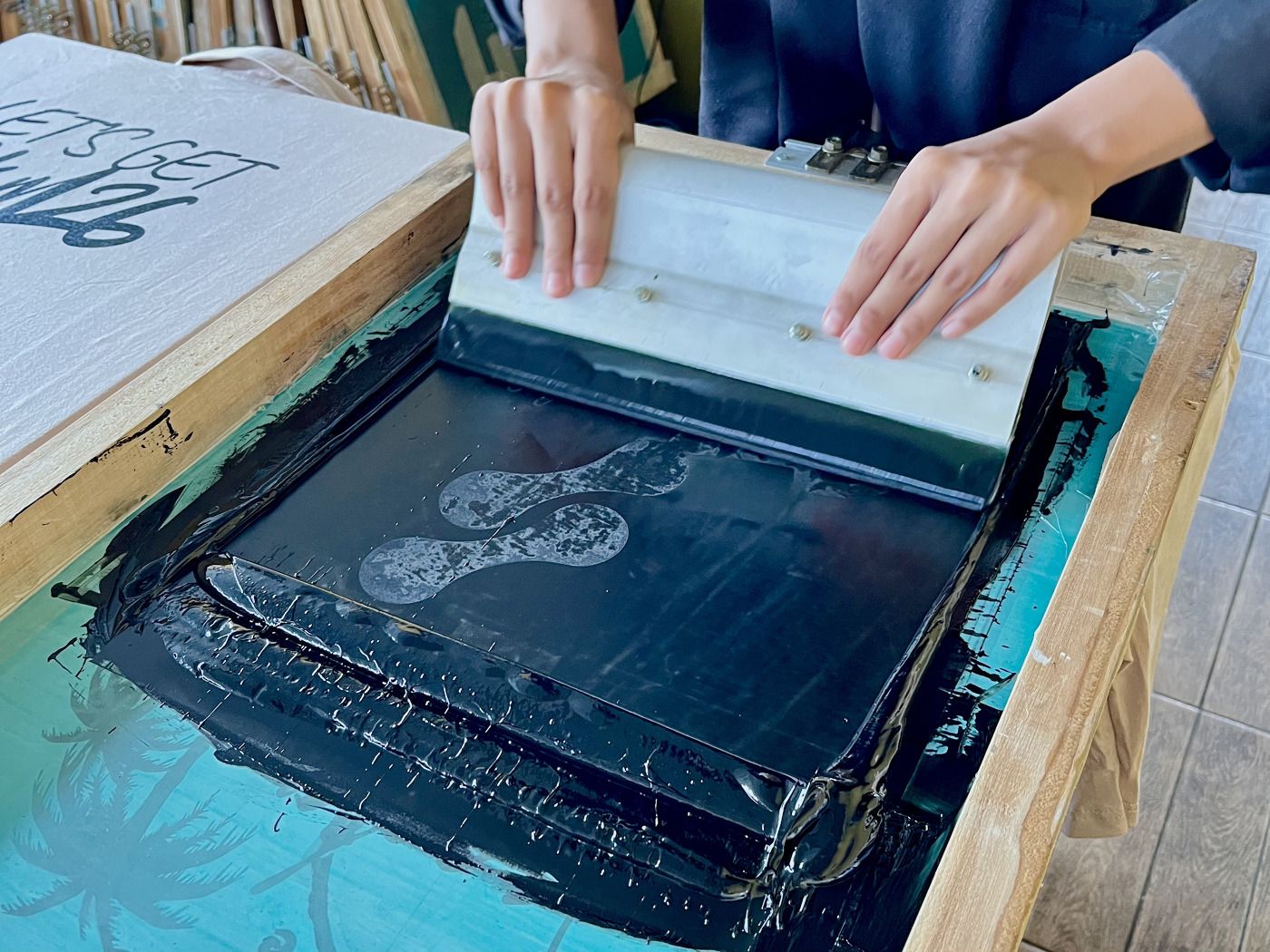
There is no single printing method that works perfectly for every design. For custom apparel, two popular options are manual screen printing with plastisol ink and DTF (Direct-to-Film) printing. Each has different characteristics. Manual screen printing is particularly effective for bold graphics, solid colors, and designs that require strong opacity and a distinctive print feel. When properly applied and cured, plastisol ink can create a highly durable print that holds up well through repeated washing.
DTF, on the other hand, is useful for detailed, colorful, and complex artwork. It allows designs with gradients, small details, and multiple colors to be transferred onto garments without the need for traditional screen separation. The key is knowing which method is appropriate for the artwork and garment.
2. Proper Curing Is Critical for Plastisol Prints
A print can look perfect immediately after production and still have a durability problem. With plastisol screen printing, curing is one of the most important stages of the process. The ink needs to reach the appropriate curing condition so that it properly bonds and forms a durable layer on the fabric. If the ink is under cured, the print may become brittle, crack, or lose durability after repeated washing.
This is why professional screen printing is not simply about putting ink onto a shirt. The production process behind the print matters just as much as the artwork itself. A well cured plastisol print can maintain its appearance through many washes while gradually developing a softer, more natural feel.
3. The Fabric Affects How the Print Ages
The same print can behave differently on different fabrics. Cotton, polyester, blends, and other materials have different surface characteristics, stretch, and washing behavior. A printing method that works beautifully on one fabric may require adjustments when used on another.
For example, a graphic printed on a heavyweight cotton T-shirt can develop a different appearance over time compared with the same graphic printed on a lightweight or highly stretchy garment. This is why experienced printers consider the fabric and printing method together, rather than treating them as separate decisions.
4. Print Thickness Can Affect the Final Feel
More ink does not necessarily mean a better print. A thick layer of ink can create strong coverage, but excessive ink can also make a print feel heavy or stiff. On the other hand, insufficient coverage can affect opacity and appearance, especially on darker garments. The goal is to achieve the right balance between coverage, durability, appearance, and hand feel.
This becomes particularly important for large graphics. A large back print, for example, should not feel unnecessarily heavy simply because more surface area needs to be covered. Good printing is about controlling the process, not simply adding more ink.
5. DTF Prints Also Depend on Proper Application
DTF printing is often chosen for artwork that contains complex details, multiple colors, photographs, or gradients. But a high quality DTF transfer still requires proper application. Temperature, pressure, pressing time, film, powder, ink, and garment compatibility can all influence the final result. A DTF print that is properly produced and applied can provide excellent detail and good wash resistance.
However, poor quality materials or incorrect application can result in problems such as peeling, cracking, or premature fading. Again, the printing method itself is only one part of the equation.
6. Washing Technique Matters Too
Even a professionally printed T-shirt can be damaged by aggressive washing. To help your printed apparel last longer, turn the garment inside out before washing, use a suitable washing cycle, and avoid unnecessarily high temperatures. Excessive heat and harsh treatment can accelerate wear on both the fabric and the print.
For brands producing custom merchandise, it is also worth considering how customers are likely to care for the garment after purchase. A durable print combined with appropriate garment care can significantly extend the life of a printed T-shirt.
7. Sometimes “Worn In” Looks Better
Durability does not always mean a print has to look exactly the same forever. Certain T-shirt designs are actually intended to develop character over time. Vintage inspired graphics, for example, can become softer and more naturally integrated with the fabric after repeated wear and washing. This is one reason experienced apparel brands pay attention not only to how a print looks on day one, but also to how it is expected to look after months of use. The best printing method depends on the desired result.
Quality Starts Before the Printing Machine
A great T-shirt print is the result of multiple decisions made before the finished garment reaches the customer. The artwork needs to be prepared correctly. The printing method needs to match the design and fabric. Ink or transfer materials need to be appropriate. Application and curing need to be properly controlled. Finally, the finished garment needs to go through quality control. That is why choosing an experienced apparel printing partner can make a significant difference.
Whether you need manual plastisol screen printing for bold, durable graphics or DTF printing for detailed and full color designs, the goal should always be the same: producing a print that looks good not only when it is new, but also after repeated wear and washing.
If you want to get the best possible result from your custom T-shirts, choosing the right printing method and an experienced production team is essential. At Pinci Konveksi, we have experience producing custom apparel with both manual plastisol screen printing and DTF printing, helping brands choose the right approach based on their artwork, fabric, quantity, and desired finish. If you want custom T-shirts with a print that is made to look great and last, talk to Pinci Konveksi and let our experienced team help bring your design to life.


No Comments